ICOM IC-A25N Handheld NAV/COM Transceiver w/ Bluetooth – Open Box: Professional Aviation Backup Radio
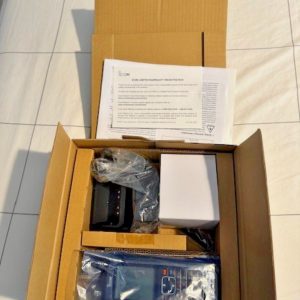
:::writingvariant="document" id="58314" ICOM IC-A25N Handheld NAV/COM Transceiver w/ Bluetooth – Open Box: Professional Aviation Backup Radio The ICOM IC-A25N Handheld NAV/COM Transceiver w/ Bluetooth – Open Box combines user-friendly controls, portable convenience, aviation communication capability, navigation functions, and Bluetooth connectivity. An open-box unit can provide excellent commercial value when the radio, battery, antenna, charger, documentation, and included accessories remain complete and in suitable condition. The ICOM IC-A25N Handheld NAV is suitable for users who want portable access to communication and navigation-related functions during flight preparation, cockpit operations, instruction, emergency planning, or airport ground activities. As an ICOM IC-A25N Aviation Radio, the transceiver may be used during normal flight operations, communication training, airport monitoring, ground coordination, and emergency preparation. An ICOM IC-A25N Handheld Radio offers mobility that panel-mounted equipment cannot provide, allowing users to communicate from the aircraft, ramp, hangar, or operations area. The Handheld NAV/COM Aviation Transceiver format offers useful flexibility to pilots who want one compact tool for several operational requirements. Whether the device will function as a Handheld Aviation Radio, Aviation NAV/COM Radio, Pilot Handheld Radio, or Aircraft Communication Radio, users should become familiar with its controls before relying on it. The unit may also serve as a Portable Aviation Transceiver, Aviation Communication Device, Handheld Aircraft Radio, Aviation Navigation Radio, ICOM Pilot Radio, Emergency Aviation Radio, or Backup Aircraft Radio for appropriate aviation applications.
Key Benefits of the ICOM IC-A25N Transceiver
This handheld transceiver offers pilots a convenient way to carry aviation communication equipment independently of the aircraft’s installed radio system. The device may help pilots reduce equipment clutter by integrating several useful capabilities into one flight-bag-friendly radio. A handheld radio can provide valuable support, but performance may depend on antenna position, aircraft structure, terrain, distance, interference, battery condition, and operating environment. A backup radio provides greater value when the pilot has already practiced frequency selection, volume adjustment, navigation functions, Bluetooth setup, and battery management.ICOM IC-A25N Handheld NAV Applications
A handheld NAV radio can be valuable to flight instructors who demonstrate aviation communication and navigation concepts during training. Private pilots may carry the device during cross-country flights, aircraft repositioning, fly-ins, or travel in rented airplanes. Users should understand which functions are intended for reference, communication, navigation support, training, or emergency use. Responsible operation includes checking settings, frequency steps, stored information, battery capacity, antenna security, and any paired accessories before departure.Using the ICOM IC-A25N Aviation Radio
The handheld unit can support operations during aircraft maintenance, ramp movement, hangar work, or other situations where installed radios are not easily accessible. Pilots attending fly-ins or traveling through unfamiliar airports may appreciate having portable access to communication frequencies. Current photographs should show the radio body, display, controls, connectors, antenna, battery, charger, packaging, and included components. An independent review may provide additional confidence when the radio cannot be examined in person.Portable Benefits of the ICOM IC-A25N Handheld Radio
The ICOM IC-A25N Handheld Radio offers click here portable access to aviation communication functions without requiring permanent aircraft installation, wiring, panel space, or structural modification. Battery contacts, charging ports, headset connections, controls, and the display should remain free from dirt, loose objects, and contamination. Pilots can practice with the radio at home or in a classroom while following the applicable manual and operating guidance. The radio should be removed from environments where condensation, fuel, oil, cleaning products, or maintenance debris may cause damage.Maintaining a Handheld NAV/COM Aviation Transceiver
A NAV/COM transceiver can support normal operations, training, backup planning, aircraft delivery, and selected ground activities. Buyers should compare interface design, battery options, charging arrangements, antenna quality, accessory availability, display readability, audio performance, and operational needs. Users should keep the operating guide accessible until they can manage essential functions without hesitation. An equipment log may be helpful for flight schools, shared aircraft, or aviation businesses where several users handle the same device.Handheld Aviation Radio Benefits
General aviation users may carry a portable radio during training flights, cross-country operations, maintenance, aircraft repositioning, and airport events. Backup capability may help pilots maintain access to important communication options while managing an abnormal situation appropriately. Users may experience improved range when the antenna has a clear position compared with operation deep inside a metal airframe or enclosed structure. Professional radio discipline includes listening carefully, transmitting clearly, using appropriate terminology, and keeping messages relevant.Aviation NAV/COM Radio Functions
An Aviation NAV/COM Radio gives pilots portable access to communication and navigation-support features that may complement installed cockpit avionics. Important features should be practiced on the ground before the radio is used during high-workload phases of flight. A handheld device may provide valuable reference information but should not replace required installed equipment or approved procedures where those are necessary. A structured preflight routine helps the Aviation NAV/COM Radio deliver reliable and practical support.Pilot Handheld Radio for Flight Operations
A portable radio can remain with the pilot when changing aircraft, allowing consistent access to a familiar communication device. The microphone, antenna, cables, headset adapters, and charger should be stored so they do not become tangled or damaged. Training may also include using the radio with gloves, in reduced light, with a headset, or in a noisy cockpit environment. Battery condition should be reassessed as the pack ages or shows reduced capacity, charging problems, unusual heat, or physical changes.Choosing an Aircraft Communication Radio
An aircraft communication device can support maintenance coordination, ground handling, training activities, and operational monitoring where appropriate. Pilots should listen before transmitting, speak clearly, keep messages relevant, and verify that the correct frequency is selected. Users should establish realistic expectations by testing the radio in normal conditions rather than assuming identical range to panel equipment. The radio should be protected from impact, vibration, liquid exposure, extreme temperature, and damaged accessories.Portable Aviation Transceiver Applications
The ability to carry the radio personally helps operators maintain access to familiar controls and stored settings. A protective case can separate the radio from tools, keys, metal objects, liquids, and heavy equipment inside a flight bag. Wireless connectivity may help pilots integrate the radio into a preferred communication setup when paired equipment is supported and configured correctly. Bluetooth settings can be reviewed during preflight preparation and confirmed before the aircraft begins moving.Benefits of an Aviation Communication Device
A professional handheld radio may serve private pilots differently from flight schools, maintenance shops, airport staff, or commercial operators. Transparent condition information allows the purchaser to judge whether the price reflects the package accurately. Organized equipment management helps ensure that the radio remains available and serviceable for the next user. Training should cover normal communication, navigation-related functions, emergency use, battery care, Bluetooth setup, and storage.Maintaining a Handheld Aircraft Radio
Ground teams may use appropriate handheld equipment during coordinated activities where aviation communication is required and authorized. Pilots may prepare frequencies and settings before entering the cockpit, reducing setup workload after engine start. Cockpit use requires secure storage and careful cable management so the radio does not interfere with flight controls, doors, seat adjustment, or emergency movement. Ramp and maintenance environments can expose portable electronics to contaminants that are less common in normal indoor storage.Choosing an Aviation Navigation Radio
An Aviation Navigation Radio can support pilot situational awareness by providing portable access to compatible navigation-related functions and information. Students should receive appropriate instruction so the device supports learning rather than creating misunderstanding or distraction. Portable functions are most useful when they complement rather than replace disciplined aviation decision-making. Users should remove outdated memories or clearly organize frequencies to reduce confusion during operation.Using an ICOM Pilot Radio
The IC-A25N provides a combination of communication, navigation support, Bluetooth connectivity, and portable power suitable for varied aviation roles. An open-box unit may have excellent value, but the buyer should verify the package rather than relying solely on the model name. Aviation students may prioritize ease of learning, while experienced pilots may focus on backup capability, portability, and integration. Pilots should record serial information, purchase details, accessory inventory, battery condition, and any warranty documentation.Choosing an Emergency Aviation Radio
An Emergency Aviation Radio can provide an additional communication option when installed aircraft equipment becomes unavailable because of electrical, equipment, or operational problems. Users should practice essential operation under calm conditions so frequency entry and audio adjustment remain manageable under stress. Pilots should evaluate whether the radio can be heard clearly in the noise environment of their aircraft. Preparedness transforms an Emergency Aviation Radio from a stored accessory into a meaningful backup communication tool.Using a Backup Aircraft Radio
The IC-A25N offers portable communication and navigation-oriented functions that can support a layered aviation equipment strategy. The radio should be included in preflight equipment checks appropriate to the planned operation. A simple and familiar arrangement is generally more useful during an abnormal situation than a complicated setup that has not been practiced. The handheld radio should support safe aircraft management rather than draw attention away from immediate flight responsibilities.Inspecting an Open-Box ICOM IC-A25N
Connectors and charging contacts should appear clean, straight, secure, and free from corrosion or contamination. Buyers should ask whether the radio was displayed, returned, tested, paired, charged, transmitted with, or previously registered. Navigation and communication menus should respond normally without freezing, unexpected shutdowns, or intermittent controls. Remote transactions should use secure payment, documented terms, careful packaging, shipment tracking, and clear inspection or return conditions.Protecting ICOM IC-A25N Reliability
A handheld aviation radio can provide many years of useful service when it is protected from impact, moisture, heat, contamination, and careless storage. Reliable readiness comes from planned inspection, charging, practice, and responsible storage.- Check for cracks, loose parts, damaged buttons, display concerns, weak battery performance, antenna damage, charging problems, and missing accessories.
- Keep the operating guide or a simple quick-reference resource accessible until important functions are fully familiar.
- Protect the equipment from extreme temperature, direct sunlight, moisture, fuel, oil, cleaning chemicals, heavy tools, and accidental impact.